Perspective Fundamentals. Part one: Picture planes and Station points:
Let's start off by covering the often forgotten fundamentals of perspective. Picture planes and station points.
The art of perspective is all about trying to replicate what you would get if you were to sit in front of a window and trace on it with a sharpie everything you would see behind it.
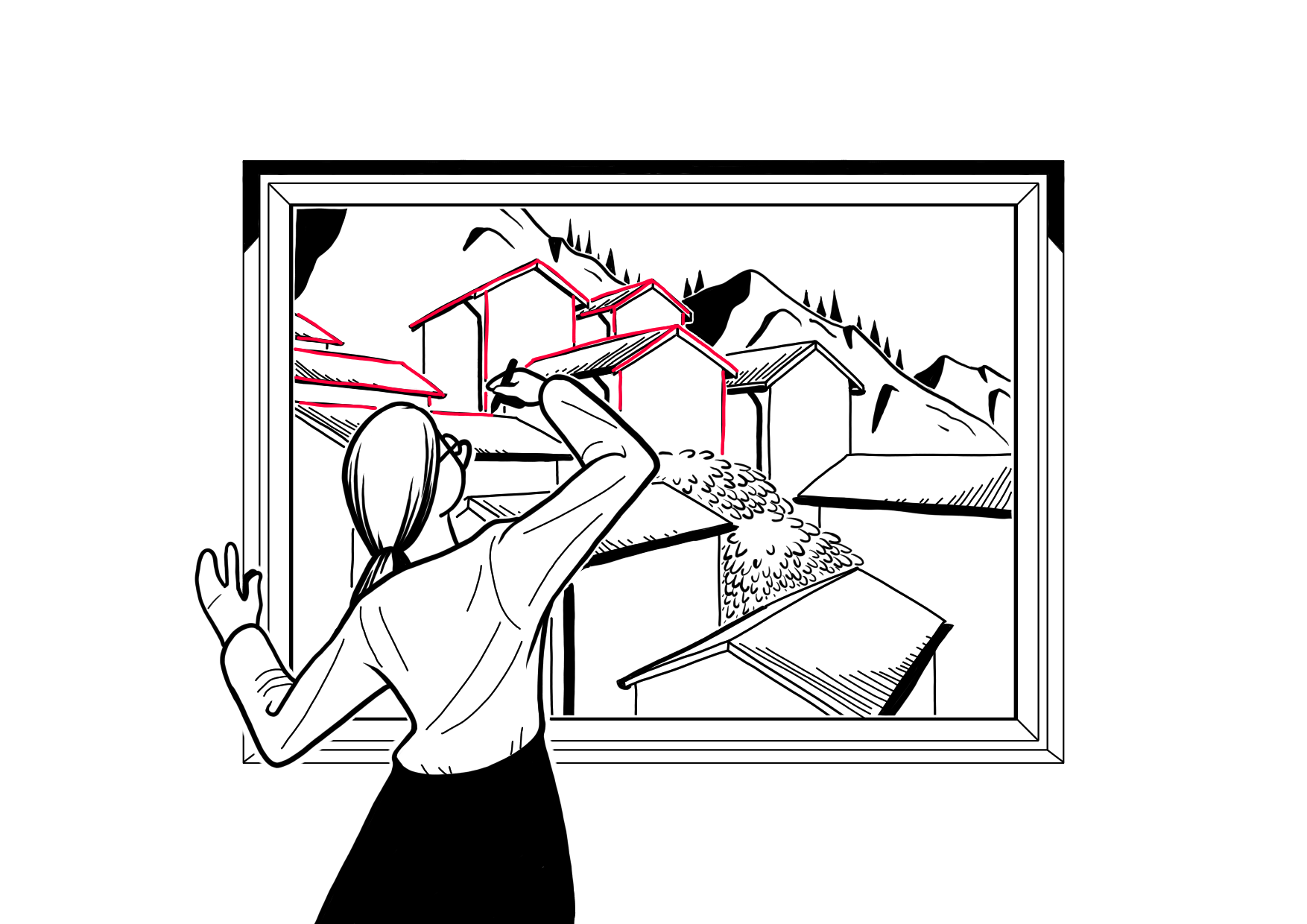
This is where picture planes and station points come in.
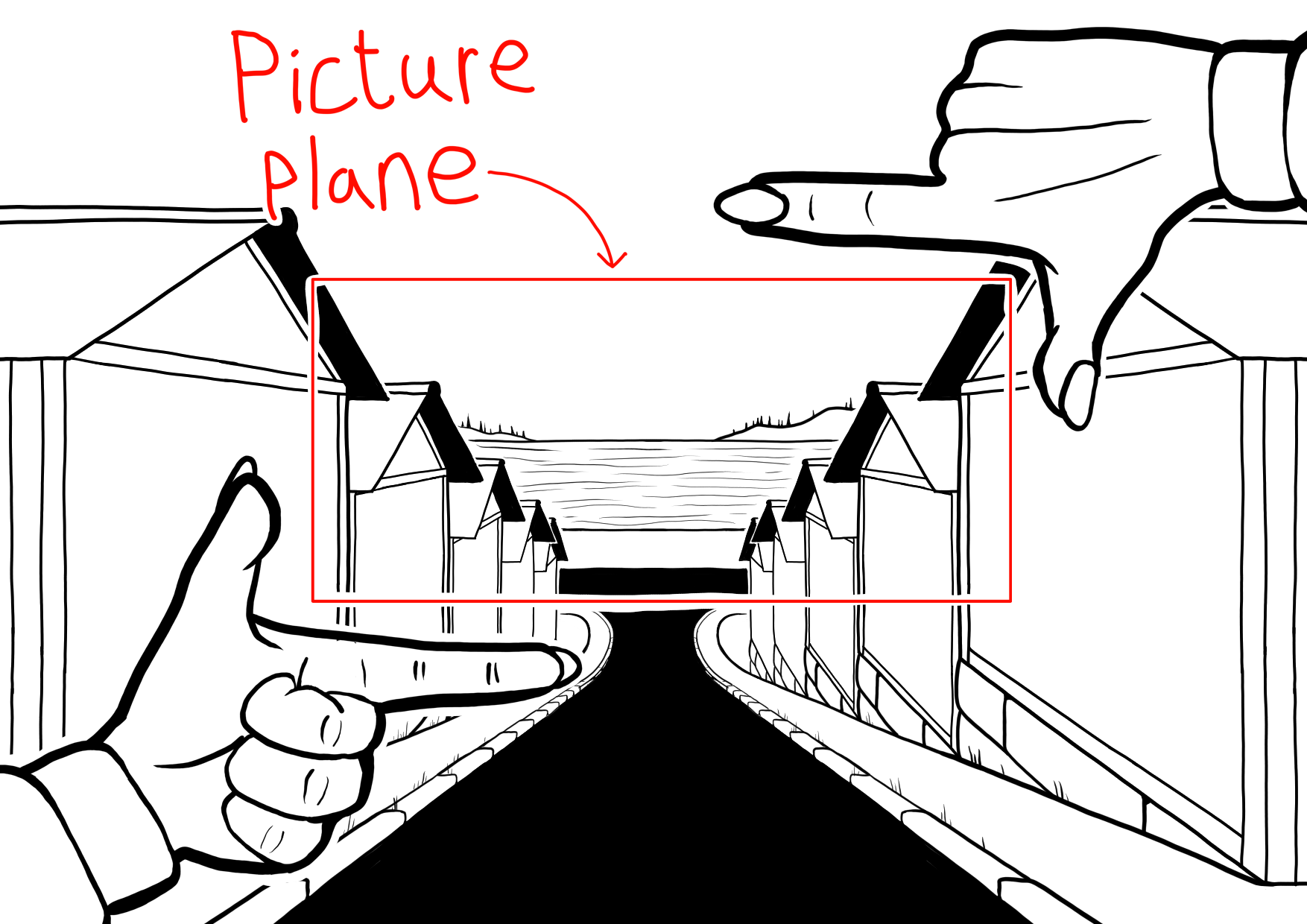
Picture Plane
The picture plane is simply your canvas or an imaginary surface in front of you that is being treated as a window. Whatever you would see through it is what you should draw on your canvas.
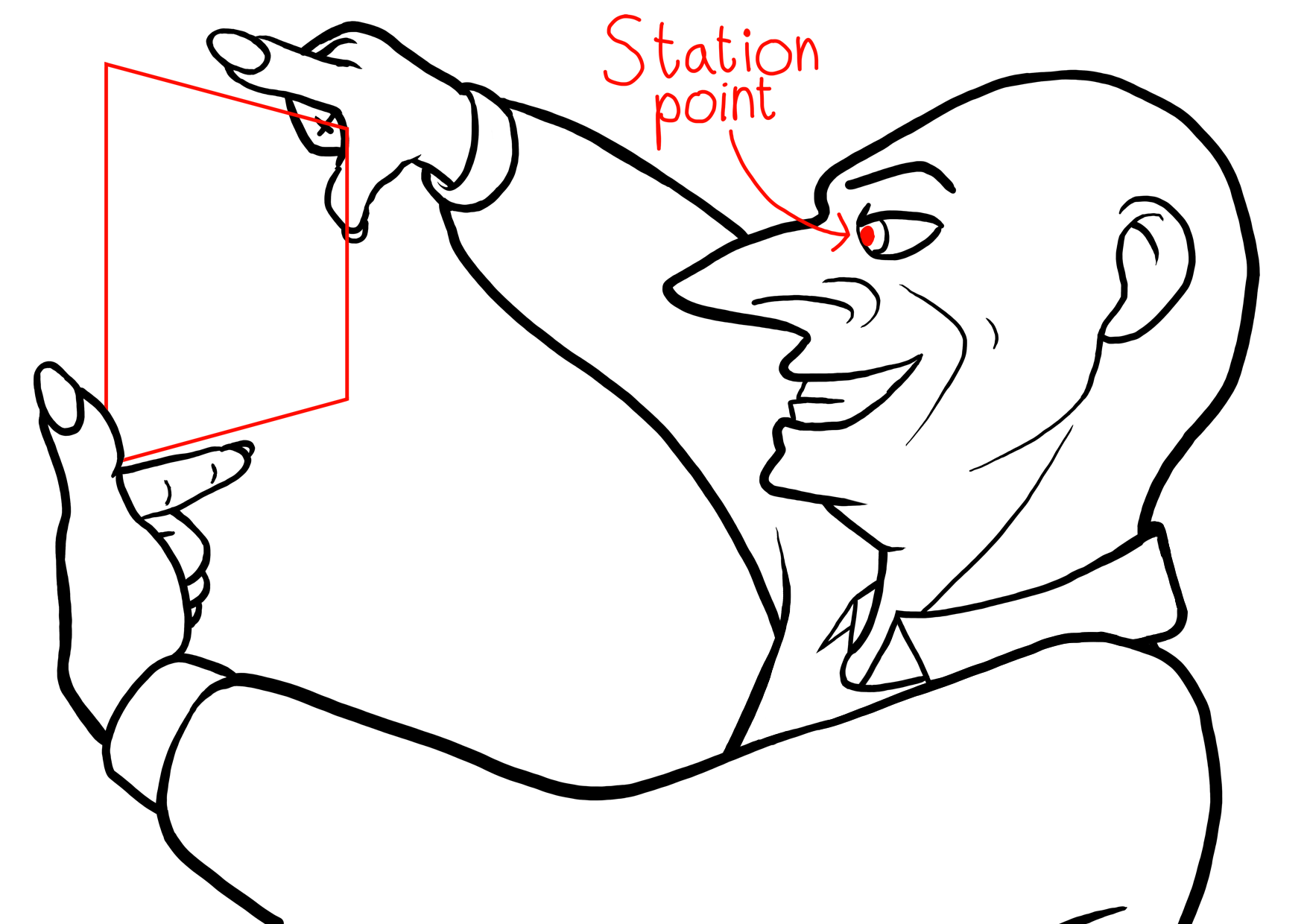
Station Point
The view through a window changes depending on where you are standing when you are looking through it. Which is why we want to select a specific point that represents where the picture plane is being viewed from. We call this point the station point.
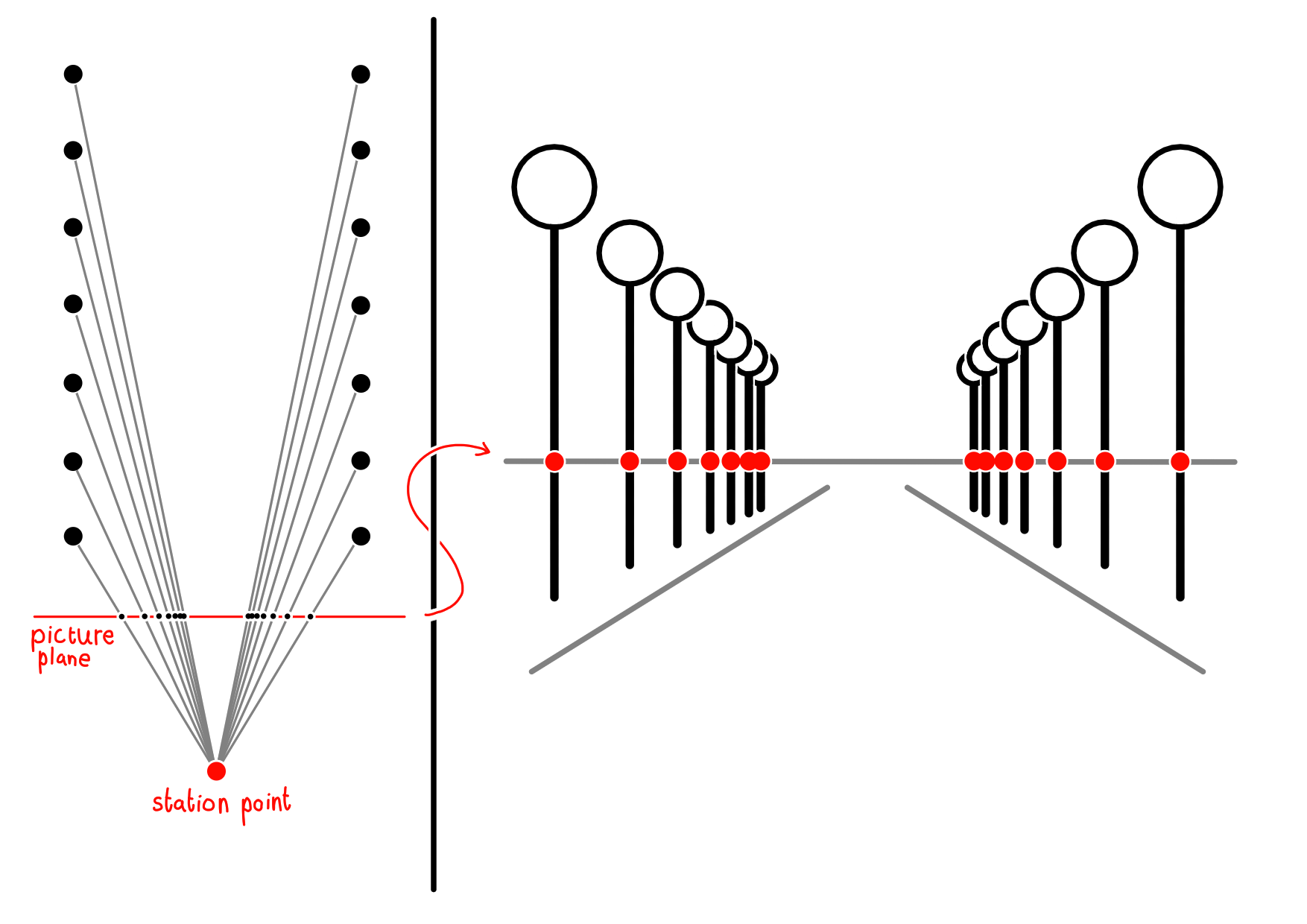
When drawing perspective, the question we are trying to answer is: when light bounces off of the scene you are drawing, and travels towards your station point (eye), where on your picture plane (canvas) does that light pass through?
One example that I like to use to demonstrate how picture planes and station points can help you understand distortion in perspective is circles.
If you take a flat circle and imagine the light bouncing off of it traveling to a point, you'll get a cone.
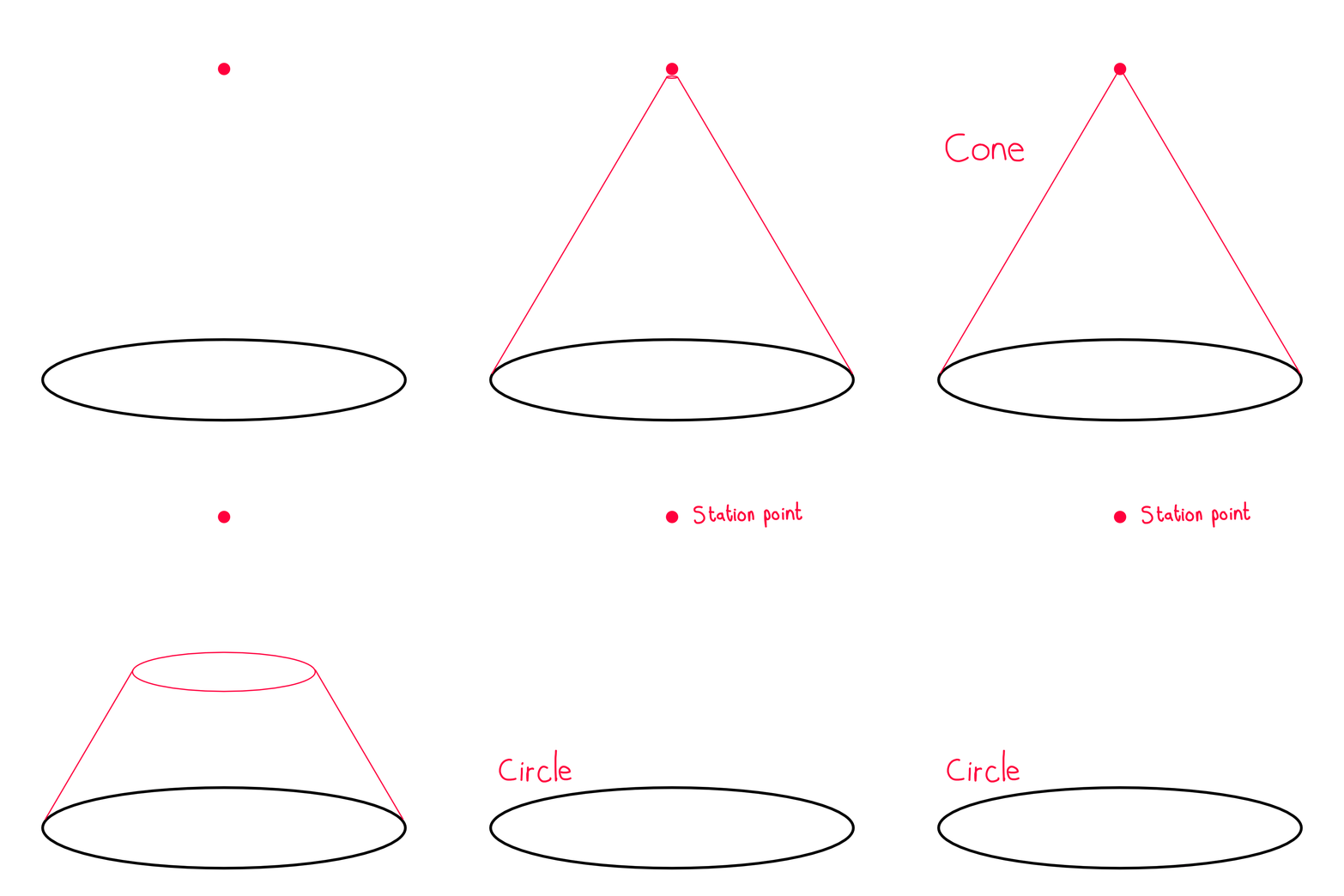
This means that to figure out how the light from a circle will intersect the picture plane, we'll simply need to understand how cones intersect flat planes
A cones intersection can have many different shapes depending on its angle, position and how you define cones. But in perspective, there are three main ones that you'll have to worry about.
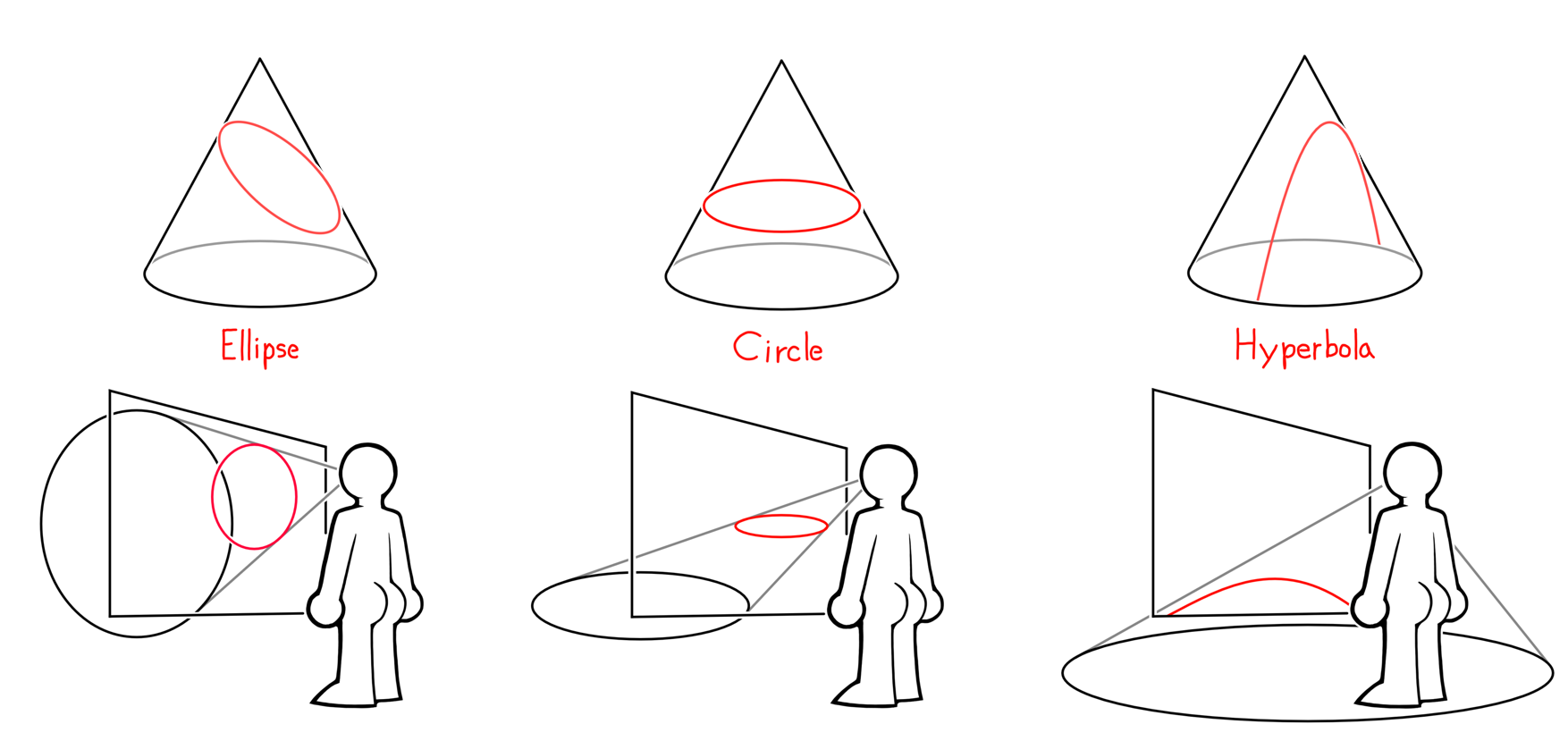
- a circle. when the intersection is parallel to the base. In perspective, when the circle is parallel to the picture plane it experiences no distortion other than size.
- an ellipse: when the intersection is at an angle. In perspective we draw an ellipse when the circle is at an angle in front of us.
- and a hyperbola: the exact definition for this one is a bit complicated. But in perspective we draw it as a hyperbola when the circle is reaching behind the station point
And that's the basics of picture planes and station points.
Back